Subscribe

All Categories

These 8 Villages Are Proof That India’s Greenest Ideas Come From Its Smallest Corners

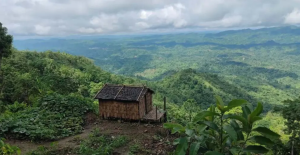
Rural and small-town India is setting inspiring examples of eco-conscious living. Villages like Majuli (Assam), Khonoma (Nagaland), Mawlynnong (Meghalaya), and Piplantri (Rajasthan) showcase community-led efforts in banning plastic, conserving forests, tree-planting, and maintaining exceptional cleanliness. From bamboo homes in flood-prone Majuli to tree plantations for every girl born in Piplantri, these places prove sustainability thrives through local action, cultural pride, and collective responsibility. Together, they demonstrate that India’s green future can grow from its smallest communities through mindful, everyday practices that protect both people and the planet.

Read more »

How Gold Recycling Paves The Way For Sustainability

Gold recycling is becoming a key driver of sustainability, reducing the need for environmentally damaging mining while cutting carbon emissions and conserving resources. With global demand for gold rising—particularly in India—recycled gold offers a cleaner, more efficient alternative, lowering energy use by up to 99% compared to traditional extraction. The piece highlights how improved collection systems, formalised recycling networks, and growing consumer awareness can strengthen circularity in the gold supply chain, making the industry more resilient and environmentally responsible.

Read more »

A ‘Beyond Waste’ Twist To Sustainable Gifting

A growing trend in India toward sustainable, upcycled, and zero-waste gifting, driven by eco-conscious consumers and small businesses. Startups and artisan groups are turning discarded materials—such as textile scraps, paper waste, plastics, and coconut shells—into creative gift items like décor, stationery, planters, and festive hampers. These alternatives reduce landfill waste, support local livelihoods, and offer personalized, environmentally friendly gift options. The piece emphasises that sustainable gifting is no longer niche but increasingly mainstream, blending creativity with climate responsibility.

Read more »

Indonesia Energy, Aguila Energia Plan Hybrid Gas-Solar Pilot Projects To Power Data Centers In Brazil

Indonesia Energy and Aguila Energia plan to develop hybrid gas-solar pilot projects in Brazil to power data centers more sustainably. These projects aim to combine natural gas with solar energy to reduce carbon emissions and ensure stable electricity for Brazil’s growing data center industry. The initiative reflects a broader regional push toward low-carbon, energy-secure digital infrastructure, balancing renewable integration with reliability. If successful, the pilots could become a model for hybrid energy solutions powering data centers across Latin America and Southeast Asia.

Read more »

Equipping India’s Workforce For The Green Transition

India’s move toward a low-carbon economy requires massive workforce upskilling and reskilling. As the country expands renewable energy, electric mobility, and green infrastructure, millions of new jobs will emerge—especially in solar installation, EV manufacturing, sustainable construction, and waste management. However, many workers in traditional industries risk displacement. The article calls for targeted vocational training, industry partnerships, and policy alignment to ensure a just and inclusive transition. By investing in green skills education and modern training systems, India can turn its climate goals into a major opportunity for job creation and economic resilience.

Read more »

South Asia Rising To The Challenge: From Climate Vulnerability To Resilience

South Asia, one of the most climate-exposed regions, is shifting from crisis response to resilience and green growth. Facing rising heat, floods, and droughts, countries like India, Bangladesh, Nepal, and Sri Lanka are investing in renewable energy, sustainable farming, and resilient infrastructure. The blog stresses nature-based solutions and inclusive climate finance as vital, while warning that large funding gaps remain and faster adaptation is essential to safeguard livelihoods and sustain growth.

Read more »

How Growing Rice Differently Could Ease Climate Change

Changing rice-farming methods like alternate wetting and drying (AWD) and direct-seeded rice (DSR) can significantly cut methane emissions—up to 70%—and save water, while maintaining yields. These techniques also improve drought resilience, but adoption is slowed by challenges such as weed control, limited seed access, and weak financial incentives. Countries like Vietnam are leading with support from global institutions, yet funding remains low. Experts emphasize that broader investment and policy backing are key to scaling climate-friendly rice production

Read more »

Google Massive Battery Uses State-Shifting CO2 As A Storage Medium

Google has partnered with Italian company Energy Dome to use carbon dioxide–based long-duration energy storage (LDES) systems that can stabilize renewable energy grids. The system stores excess solar or wind power by compressing CO₂ gas into liquid form and later releasing it back as gas to drive turbines when energy demand rises. Unlike lithium-ion batteries that last around four hours, Energy Dome’s technology can supply clean energy for up to 24 hours, improving grid reliability. Google’s investment aims to scale this CO₂ battery globally, supporting renewable integration and community access to affordable, resilient electricity.

Read more »

Spent Cigarette Butts May Find Use In Longer-Lasting Roads

Researchers from the University of Granada and University of Bologna, with support from China, have developed a method to recycle used e-cigarette butts into asphalt for roads. After removing ash, the cellulose and PLA fibers from filters were shredded, bound with synthetic wax, and formed into pellets. Mixed with recycled asphalt and bitumen, this material created a new asphalt that was 40% butt pellets and recycled road material. The enhanced asphalt showed greater strength, flexibility, fatigue resistance, and lower production temperatures, making it more durable and energy-efficient while addressing cigarette waste pollution.

Read more »